Choosing the right chew toy can protect a dog’s teeth, gums, and daily happiness. Yet, not every popular toy deserves a place in your home. Good Chew Toys For Dogs should match a dog’s size, age, chewing strength, and play habits.
This guide explores ten highly regarded options available in different markets worldwide. It considers natural rubber toys, durable nylon designs, dental chews, rope products, and food-stuffable puzzles. Each category offers practical benefits, but none is perfect. A toy that entertains a powerful Labrador may overwhelm a small senior dog. Fit matters.
Safety remains central. Veterinary professionals commonly recommend supervising chewing sessions and removing damaged toys promptly. A toy should feel firm, but it should not be harder than a dog’s teeth. If you cannot press a fingernail into it, reconsider. Small parts, loose threads, sharp edges, and broken fragments can create serious risks. Product labels also deserve attention, especially when materials and testing standards vary between countries.
Real-world experience often reveals details that packaging hides. Some toys collect dust quickly. Others smell strongly after washing. A few disappointingly fail within days. That is worth admitting. Durability claims are not guarantees. This article compares construction, cleaning demands, chewing value, and suitability for different dogs. It also encourages owners to observe their pets carefully, because even an excellent toy can become unsafe when used incorrectly.
What Makes a Good Chew Toy for Dogs?
A good chew toy begins with safety, not color or clever packaging. It should be large enough to prevent swallowing, yet easy for the dog to grip. The material needs some give. Extremely hard objects can fracture teeth, especially in enthusiastic chewers. A simple thumbnail test can help: if the surface never yields, choose something softer. This test is imperfect. Veterinary dental guidance still matters more.
Durability should match the dog’s size, jaw strength, and chewing style. A puppy exploring with small bites needs different resistance from an adult that destroys toys quickly. Look for a solid shape, smooth edges, and no detachable parts.
Ropes, seams, and squeakers require close inspection. Once threads loosen or cracks appear, remove the toy immediately. “Nearly safe” is not safe enough. Washability also matters, because saliva, food, and floor dust collect in hidden grooves.
Good design can support healthy habits without promising to clean every tooth. Raised textures may help remove some surface buildup, but they cannot replace brushing or professional examinations. Rotate several suitable toys to reduce boredom and encourage calmer chewing.
Observe the dog during the first sessions. Does the toy cause frantic biting, gum bleeding, or guarding? Stop and reassess. A reliable choice is one the dog enjoys, the caregiver can inspect, and a veterinarian would not consider unnecessarily risky.
How to Evaluate Safety, Durability, and Material Quality
Choosing the top ten chew toys globally requires more than counting reviews. A practical shortlist includes natural rubber rings, textured rubber balls, treat-dispensing puzzles, rope toys, fabric squeakers, durable nylon chews, rubber bones, dental-cleaning shapes, soft puppy toys, and flexible flying discs. However, each option needs individual testing. A toy should match the dog’s weight, jaw strength, chewing style, and age.
Safety comes first. The toy must be too large to swallow, yet easy for the dog to hold. Check for loose threads, sharp edges, cracks, and detachable parts before every use. Food-grade rubber is often resilient and easier to clean. Nylon can last longer, but broken pieces may become sharp. Rope fibers can loosen and cause problems if swallowed. Hard antlers, cooked bones, and extremely rigid materials may damage teeth.
Durability is not the same as hardness. A slightly flexible toy may protect teeth while surviving daily chewing. Look for clear material information, odor-free construction, strong seams, and washing instructions. I once trusted a “tough” toy because it felt heavy, but its surface split within days. That mistake changed my inspection routine. I now press, twist, and examine every new toy before leaving it with a dog. Supervision still matters. No chew toy is completely indestructible. Even high-quality products need replacement when their shape, surface, or smell changes.
Which Ten Chew Toys Are Popular for Dogs Worldwide?
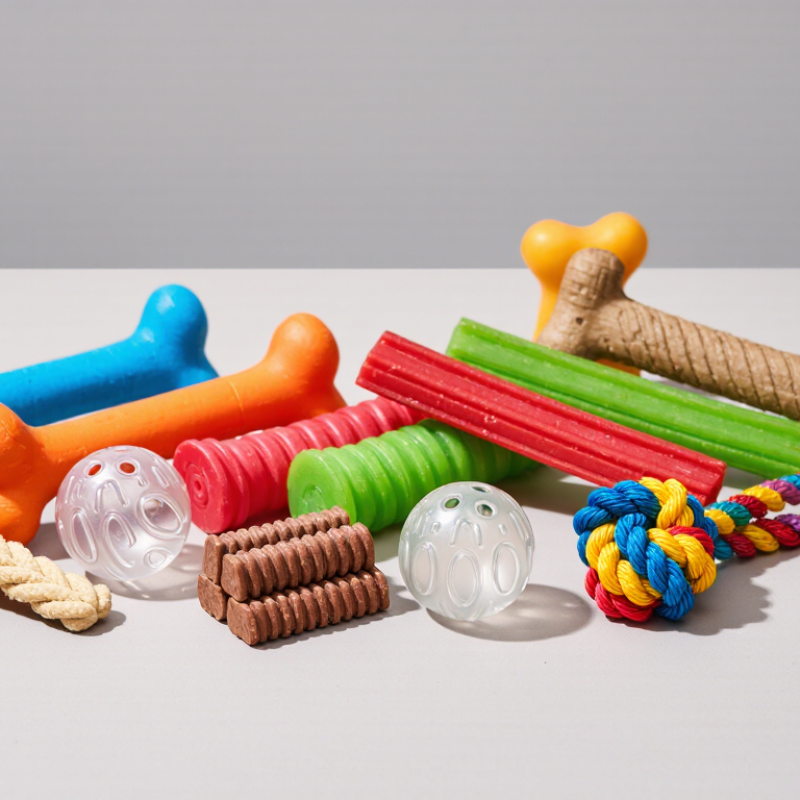
Dog owners across continents often choose ten chew toy types for their durability and variety. Popular options include treat-dispensing rubber toys, textured rubber rings, braided rope toys, nylon chew bones, edible dental chews, frozen lick toys, natural rubber balls, chewable puzzle toys, reinforced plush toys, and flexible dental sticks. Preferences differ between households.
Experienced trainers often match the toy to a dog’s size, age, bite strength, and chewing style. A small dog may handle a soft rubber ring, while a powerful chewer may need a thicker, firmer design. Treat-dispensing toys keep many dogs busy with peanut butter alternatives, soaked kibble, or small vegetable pieces. Rope toys can support interactive play, but loose threads require quick removal. Frozen toys feel soothing during warm weather.
Safety matters more than popularity. A toy should bend slightly or show controlled resistance, not crack under pressure. If a dog can break off large pieces, the toy is unsuitable. Supervise chewing, especially with edible products. Inspect toys after every energetic session, and replace damaged ones immediately. Veterinary dental advice also warns that extremely hard objects may fracture teeth. No worldwide list is perfect. Some dogs ignore expensive-looking toys and prefer a plain rubber ball. I have seen owners misjudge this point. The best choice is the toy a dog uses safely, consistently, and without swallowing fragments.
What Are the Top 10 Good Chew Toys for Dogs Globally?
A global editorial comparison of popular dog chew-toy types, rated by durability, safety potential, enrichment value, and ease of cleaning.
The score is an editorial index from 0 to 100 rather than sales or market-share data. Natural rubber, food-dispensing, and textured designs rank highly because they can support chewing, play, and mental enrichment when correctly sized and supervised. Toy suitability depends on the dog's age, size, chewing strength, and health. Replace toys when they become damaged.
How to Match Chew Toys With Different Dog Needs
A dog’s best chew toy is not automatically the hardest one. Matching the toy to the dog matters more than popularity. Puppies often need softer rubber toys that soothe teething gums. They also benefit from textured surfaces, which can help remove some food debris. Senior dogs may prefer flexible materials because their teeth and jaws can be more sensitive.
Strong adult chewers need thick, durable toys with no detachable parts. However, extremely hard toys may fracture teeth. Veterinary dental guidance commonly warns against objects that barely yield under pressure. Small dogs need toys that fit their mouths without blocking breathing. Large dogs need wider shapes that resist accidental swallowing. Dogs with allergies may need simple, clearly labeled materials. Always check the ingredients of edible chews.
A nervous dog may enjoy a hollow toy filled with measured food. A bored, active dog may prefer a treat-dispensing puzzle with a firm outer shell. Rope toys can support interactive play, but loose strands require immediate removal. I once assumed a tougher toy was always better; that judgment was incomplete. Comfort, supervision, and chewing style should guide the choice.
Inspect every toy before and after use. Replace it when cracks, sharp edges, or loose pieces appear. Puppies, seniors, and aggressive chewers should be watched closely. A short play session can reveal more than packaging claims. If chewing causes bleeding, broken teeth, vomiting, or swallowing, stop using the toy and contact a veterinarian.
How to Use and Replace Chew Toys Responsibly
Choosing among the top ten chew toys globally is less important than matching one safely to your dog. A toy should suit the dog’s size, chewing strength, age, and habits. A soft rubber shape may suit a gentle puppy, while a durable woven toy may fit a stronger adult. Hardness matters. Extremely hard materials can damage teeth, even when they seem long-lasting.
Use every chew toy under supervision, especially during the first several sessions. Check for loose threads, sharp edges, cracks, or small pieces. Remove the toy if your dog bites off chunks, guards it aggressively, or struggles to chew comfortably. Wash washable toys regularly with mild soap and clean water. Dry them fully before returning them. Do not assume a toy is safe because it is advertised as durable. Dogs vary more than product descriptions suggest.
Replacement requires honest inspection. Replace a toy when it becomes split, deeply scratched, unusually soft, or too small for safe handling. A missing piece can signal a swallowing risk. Rotate several suitable toys, but keep damaged ones away from the play area. Chew toys support enrichment, yet they do not replace tooth brushing, balanced nutrition, or veterinary advice. No selection method is perfect. My own rule would still need adjusting for a dog that chews quietly one week and destroys everything the next.
FAQS
Popular choices include rubber treat toys, textured rings, rope toys, nylon bones, edible dental chews, and frozen lick toys. Some dogs simply prefer a plain rubber ball.
Small dogs need toys that fit comfortably without blocking breathing. Large dogs need wider shapes that resist accidental swallowing. The fit matters.
Puppies often need softer rubber toys for teething gums. Senior dogs may prefer flexible materials because their teeth and jaws can feel sensitive.
Choose thick toys without detachable parts and with controlled resistance. Avoid objects that barely bend. Harder is not always safer.
Hollow toys filled with measured food can occupy nervous dogs. Active dogs may enjoy treat puzzles with firm outer shells. Short sessions reveal preferences.
Rope toys can support interactive play and tugging. Remove them immediately when loose threads appear. Swallowed strands can create serious problems.
Inspect each toy before and after energetic play. Look for cracks, sharp edges, loose pieces, or missing chunks. Replace damaged toys immediately.
No. Check edible ingredients, especially for dogs with allergies. Very hard objects may fracture teeth. Supervise chewing closely, and contact a veterinarian after bleeding, vomiting, or swallowing.
Conclusion
Good Chew Toys For Dogs should be safe, durable, appropriately sized, and made from non-toxic materials that can withstand regular chewing without breaking into dangerous pieces. This article explains how to evaluate toy quality by checking strength, texture, flexibility, ventilation, and ease of cleaning. It also presents ten popular types of chew toys used by dogs worldwide, including rubber shapes, rope designs, dental-textured toys, treat-holding puzzles, soft-but-tough options, and toys made for focused chewing.
Because every dog has different age, size, bite strength, and play habits, choosing the right toy requires careful matching. Puppies may need gentler textures, while powerful chewers often benefit from sturdy, simple designs. The article also emphasizes responsible use: supervise play, inspect toys regularly, remove damaged items immediately, and replace them before they become unsafe. With thoughtful selection and proper maintenance, chew toys can support healthy chewing, reduce boredom, and provide enjoyable enrichment.

 D King