The Pug Dog Teddy Bear has gained popularity as an ideal pet choice. According to the American Kennel Club, Pugs rank as the 30th most popular dog breed in the U.S. Their unique blend of charm and intelligence makes them lovable companions. Pug Dog Teddy Bears, in particular, are known for their cuddly appearance and affectionate nature.
Research indicates that owning a pet can improve mental health. A survey from the Human-Animal Bond Research Institute states that 74% of pet owners report better emotional well-being. This connection is especially true for Pug Dog Teddy Bears. Their playful demeanor can uplift moods and foster companionship.
While they are great pets, there are considerations. Pugs can be prone to certain health issues, such as breathing problems. It's essential for potential owners to be aware of this. Nonetheless, the joy and loyalty a Pug Dog Teddy Bear provides can outweigh these concerns. In the grand scope of pet ownership, understanding their needs is vital for a rewarding experience.
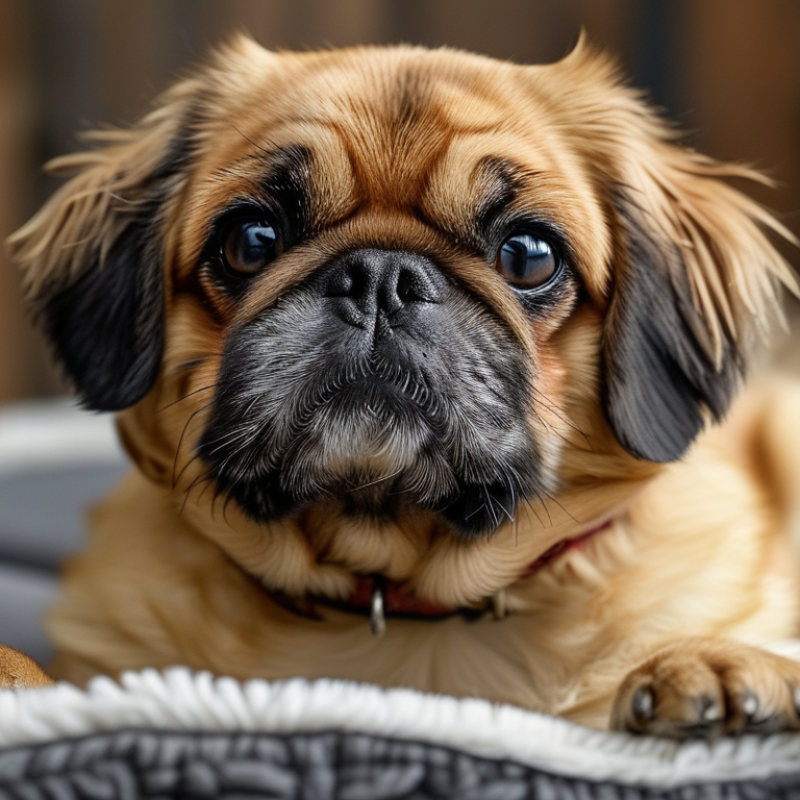
The Pug Dog Teddy Bear is a unique pet choice, celebrated for its distinctive features. This breed blends the charming characteristics of both Pugs and teddy bear appearances. Their round, expressive eyes and compact bodies make them irresistibly cute. With a gentle temperament, they are great companions for families and individuals alike.
These dogs are known for their playful nature. They enjoy interactive playtime and often exhibit hilarious antics. However, their stubbornness can be challenging. Training requires patience and consistency. They thrive on social interaction and may feel lonely if left alone for extended periods. It’s essential to ensure they have company, as they can easily develop anxiety.
Caring for a Pug Dog Teddy Bear involves regular grooming. Their coat is short, but they shed. Regular brushing helps maintain their appearance. They are prone to specific health issues, like breathing difficulties, due to their flat faces. Monitoring their health is crucial. Owners should prioritize vet visits to ensure their furry friend's well-being and happiness.
Pug dogs, often described as "Teddy Bears," are perfect companions. Their temperament is friendly and affectionate. Pugs love to be around people. They thrive on social interaction, making them great for families. With their playful personalities, they often bring joy to any home.
One notable facet of their behavior is their adaptability. Pugs can adjust to various living situations, whether it's a small apartment or a large house. However, be prepared for some challenges. Pugs can be stubborn at times. This might require patience during training sessions.
**Tip: Consistent training with positive reinforcement works best.** Use treats and praise to motivate your Pug. Create a routine to establish good habits.
Additionally, Pugs are known for their entertaining antics. Their playful mischief can sometimes lead to trouble. They may chew on things or bark excessively if bored. To mitigate this, regular exercise is essential.
**Tip: Daily walks and interactive toys can help channel their energy.** A tired Pug is a happy Pug! It's important to monitor their eating habits too, as they can easily gain weight.
Overall, the temperament and behavior of Pugs make them delightful companions. They have their quirks, yet their loving nature is hard to resist.
When considering a Pug Dog Teddy Bear, health is a primary concern. These adorable pets often suffer from specific health issues. Brachycephalic airway syndrome is common, given their flat faces. This affects breathing, especially in hot weather. Regular vet check-ups are essential to monitor these conditions.
Additionally, weight management plays a crucial role. Pugs can easily become overweight, leading to diabetes and joint problems. A balanced diet is vital. Owners should weigh their pets regularly to ensure they maintain a healthy weight. Observing their activity levels helps too.
Another aspect is eye health. Pugs are prone to eye problems due to their prominent eyes. Keeping their eyes clean and checking for irritations can prevent serious conditions. Regular grooming minimizes eye-related issues. Staying informed about these possible health challenges ensures you provide the best care for your Pug Dog Teddy Bear.
Training your Pug Dog Teddy Bear can be both rewarding and challenging. These affectionate dogs respond well to positive reinforcement. Simple treats or verbal praise can motivate them to learn new commands. Start with basic commands like sit and stay. Consistency is key, so practice daily. Training sessions should be short—around 5 to 10 minutes—since their attention spans are limited.
Socialization is another important aspect. Introduce your Pug to different environments and people early on. This exposure helps them become well-adjusted adults. Attending puppy classes can provide both socialization and training in a controlled setting. However, not all Pugs will thrive in high-energy groups. Pay attention to your dog's comfort level. You may need to adjust your approach depending on their personality.
Be patient with your Pug Dog Teddy Bear. They may not always grasp commands immediately. Sometimes, it can take several tries before they understand what you want. Celebrate small successes. A clicker can help communicate when they perform correctly. Remember, frustration can hinder progress. If your dog seems resistant, take a step back and rethink your strategy. Each dog is unique, and adapting is part of the journey.
| Aspect | Details |
|---|---|
| Temperament | Friendly, affectionate, and playful |
| Size | Small, typically weighing between 14-18 lbs |
| Exercise Needs | Moderate; daily walks and playtime required |
| Lifespan | 12-15 years |
| Grooming | Low maintenance; regular brushing needed |
| Training | Eager to please; consistent positive reinforcement recommended |
| Socialization | Enjoys being around people and other pets |
| Common Health Issues | Brachycephalic issues, hip dysplasia, and obesity |
Creating a comfortable space for your Pug Dog Teddy Bear is essential. This breed thrives in cozy environments. They enjoy cuddling and being close to their humans. Opt for pet-friendly furniture that can withstand a little wear and tear. Soft textiles are perfect for their gentle bodies.
Consider a designated area for your pug. A cozy bed in the living room allows them to be part of family activities. Ensure that the space is free of hazards; pugs are curious and can get into trouble. Make sure to remove small objects and toxic plants from their reach. Natural light is important for emotional health; a spot near a window works well.
Remember, pugs can be sensitive to heat. Avoid placing their bed in direct sunlight on warm days. A well-ventilated space with optimal temperature is vital for their well-being. They are not very active indoors, so encourage short play sessions instead. Pugs may struggle with exercise; keeping them entertained is crucial for their happiness. Adapt your home thoughtfully, as it's key to building a loving refuge for your Pug Dog Teddy Bear.
: Their combination of Pug traits and teddy bear features creates a distinct and charming appearance.
Training requires patience. Stubbornness can be a challenge, so consistency is key.
Yes, they thrive on companionship and may feel lonely when left alone for too long.
Regular brushing is needed to manage their shedding and maintain their coat appearance.
They often experience breathing difficulties and eye problems due to their flat faces.
Monitor their diet and weight regularly. A balanced diet helps prevent obesity-related issues.
Yes, they are vital for monitoring health issues and ensuring the well-being of your pet.
Keep their eyes clean and check for irritations. Regular grooming helps reduce eye problems.
The Pug Dog Teddy Bear is an ideal pet choice for many due to its charming characteristics and affectionate nature. This breed is known for its playful demeanor and strong bond with families, making it a delightful companion for both individuals and children. Their friendly temperament and social behavior contribute to their appeal, as they thrive in loving environments and are eager to please.
While considering the Pug Dog Teddy Bear as a pet, potential owners should be aware of certain health considerations specific to the breed. Regular veterinary check-ups and proper care can help mitigate common health issues. Additionally, training tips that emphasize positive reinforcement can enhance their learning process, ensuring an obedient and well-adjusted pet. Creating a pet-friendly living environment is also crucial, allowing the Pug Dog Teddy Bear to feel comfortable and secure in its new home. Overall, with the right approach, this breed can bring immense joy and companionship to any household.

D King