Choosing the right plush dog toys for your pet can be overwhelming. With countless options available, how do you know which toys are best? Plush dog toys are popular among pet owners, and for good reasons. These toys offer comfort, safety, and endless fun for dogs of all ages.
Many dogs enjoy the soft texture of plush toys. Some pets find them soothing, making them perfect for snuggling. However, not all plush toys are created equal. Durability is crucial for energetic pups who may easily destroy them. A plush toy that cannot withstand chewing is not worth the investment.
Meanwhile, it is important to consider your dog's unique preferences. Some dogs prefer crinkly sounds, while others may enjoy squeakers inside. Reflecting on these details can lead to a better choice. Selecting the right plush dog toys can enrich your pet's life and provide joy. However, sometimes it takes a few tries to find that perfect match.
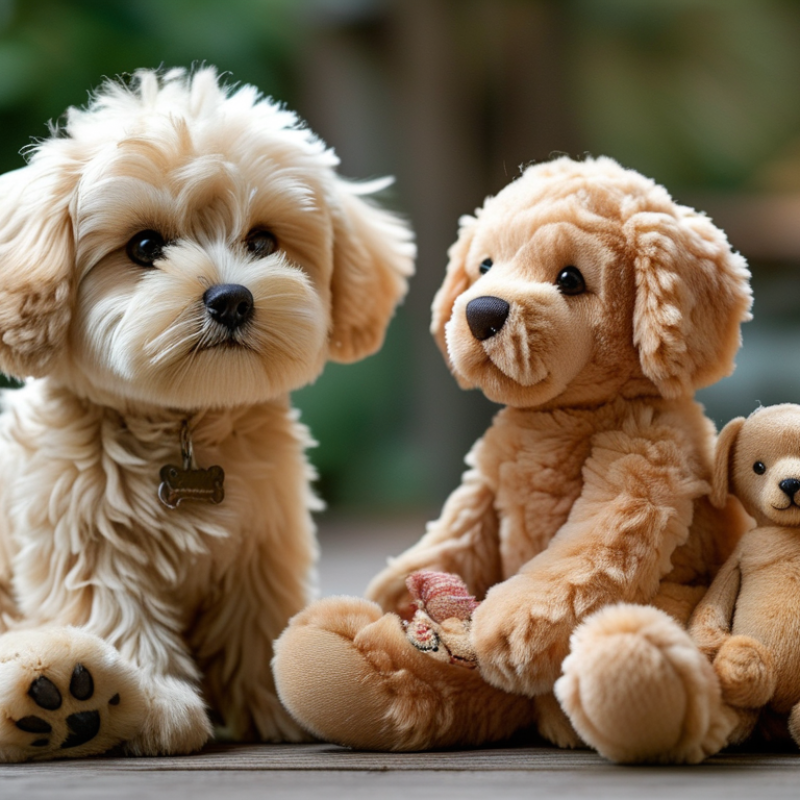
When choosing plush toys for your dog, understanding their preferences is essential. Every dog has unique tastes. Some dogs adore soft, squeaky toys, while others prefer ones they can easily carry around. Observe your pet’s behavior during playtime. Do they shake, chew, or snuggle their toys? These actions reveal preferences.
Size and texture matter too. A tiny Chihuahua may feel overwhelmed by a large plush toy. On the other hand, a big dog might enjoy wrestling with a larger one. Different textures can provide varied sensory experiences. For instance, a fur-like texture may feel comforting, while a cottony one might excite them. Pay attention to the sounds your dog enjoys. Squeakers can stimulate, while soft fabrics may soothe.
Moreover, consider your dog's chewing habits. Some canines are vigorous chewers and may destroy plush toys quickly. If your dog tends to rip apart toys, look for sturdier options. It’s also helpful to reflect on past purchases. Did your dog resist a certain toy? Use that insight for future selections. A little trial and error can be rewarding.
| Toy Name | Material | Size | Durability | Washable | Best For |
|---|---|---|---|---|---|
| Fluffy Bunny | Soft Plush | Medium | Moderate | Yes | Small Dogs |
| Teddy Bear | Cotton Blend | Large | High | Yes | Medium Dogs |
| Cuddle Fish | Canvas | Small | Low | Yes | Puppies |
| Lion Plush Toy | Fleece | Medium | Moderate | Yes | Large Dogs |
| Squeaky Duck | Rubber & Plush | All Sizes | High | Yes | Interactive Play |
: Safety is crucial because toys can pose risks like choking hazards and toxic materials.
Look for toys made from non-toxic materials and check for ASTM or EN71 safety certifications.
Avoid toys with plastic eyes or noses, as they may break off and cause choking.
Inspect toys regularly for wear and tear; discard any showing signs of damage.
Machine wash on a gentle cycle with mild detergent, or hand wash if excessively dirty.
Yes, plush toys can collect dirt and allergens, even if they look clean.
Set up a toy rotation system to maintain interest and cleanliness.
Replace toys with broken seams or missing parts immediately for safety.
Ensure toys are dried properly to prevent mold growth; avoid leaving them damp.
Supervision helps ensure your dog interacts safely with new toys and prevents accidents.
When selecting the best plush dog toys for your pet, it's essential to understand their individual preferences, as different dogs may have varying tastes in materials and designs. Common options include soft fabrics, squeaky toys, and those with unique textures. It's also crucial to consider safety aspects, ensuring that the toys are free from harmful substances and sturdy enough to withstand your dog's play style.
Introducing plush dog toys to your pet should be done gradually, allowing them to explore and become comfortable with the new items. Regular maintenance and cleaning are vital to enhance the longevity of these toys, as it helps prevent buildup of dirt and bacteria. By following these guidelines, pet owners can ensure their furry friends enjoy safe and engaging plush dog toys for a long time.

 D King