In the world of pet toys, "Large Plush Dog Toys" have gained immense popularity among dog owners. According to a recent report by the Pet Industry Market Association, the plush toy segment is expected to grow by 20% in the next three years. This upward trend reflects the emotional bond between dogs and their toys. Dr. Emily Carter, an expert in canine behavior, states, "Large plush toys offer comfort and security, enhancing a dog's well-being."
Choosing the right large plush toy can be challenging. Not all toys are created equal, and some may not withstand heavy chewing. Be mindful of the material used in plush toys. Durable fabrics can significantly extend the life of these toys. Moreover, opting for machine-washable options can help maintain hygiene. However, some plush toys may lack the sturdiness needed for aggressive chewers, leading to frustration.
Safety is paramount when selecting toys. Always check for loose parts or embellishments that pose choking hazards. Understanding your dog's play style can guide your choices in "Large Plush Dog Toys." Ultimately, these toys should bring joy without compromising safety. Engaging your furry friend in playtime activity can strengthen your bond and provide them with joy and comfort.
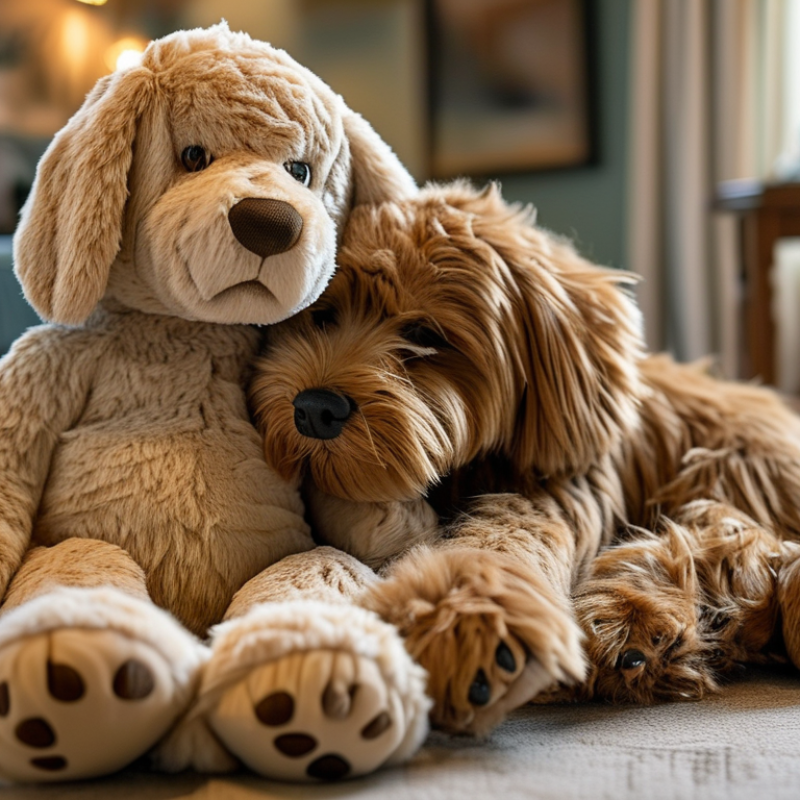
Best Large Plush Dog Toys: Key Features to Consider
When selecting large plush dog toys, some key features significantly influence your choice. Materials play a crucial role. Look for toys made with high-quality, durable fabric. Plush toys should withstand bites and tugs. Also, consider the toy's stuffing. It should be soft and non-toxic, ensuring safety for your furry friend. Toys with reinforced seams could provide better longevity.
Another important factor is the size of the toy. It must suit your dog's breed and size. A too-small toy may be a choking hazard. Similarly, an overly large toy might not be easy for your dog to handle. Additionally, consider the toy's design. For dogs that love tugging or shaking, a well-structured shape can enhance playtime. Features like squeakers or crinkle sounds add excitement but can wear out quickly.
Finally, think about your dog’s play style. Some dogs prefer cuddle time while others are more active. Observing your dog's preferences can help. A soft, plush toy may comfort a timid pup, while a more robust design works for a chewer. It’s important to reflect on which aspects matter most for your dog’s enjoyment and safety.
Durability and Safety: Materials Used in Plush Dog Toys
When choosing large plush dog toys, durability should be a top priority. Plush toys are appealing to dogs, but not all materials are created equal. High-quality fabrics can withstand rigorous play, while cheaper options may fray quickly. Consider toys made from tightly woven fabrics. These are less likely to tear apart during enthusiastic chewing.
Safety is another crucial aspect. Always check the toy for small parts that could pose choking hazards. Some toys use non-toxic materials, providing peace of mind. Look for plush toys that are machine washable. Cleaning can help maintain hygiene and extend the toy's lifespan. However, frequent washing can wear down even the best materials over time.
It's essential to understand that not every plush toy is suitable for every breed. Larger dogs with strong jaws may need tougher toys. Sometimes, your furry friend might only be gentle with certain plush designs. Observing their play style can help you choose wisely. Always monitor your dog's interaction with their toys. This will ensure safe and fun playtime, making sure playtime remains enjoyable for your beloved pet.
Size and Weight Considerations for Different Dog Breeds
Choosing the right plush toy for your dog can be challenging, especially with various breeds and sizes in mind. Larger dog breeds, like Great Danes or Mastiffs, often require toys that can withstand their powerful jaws. A toy that is too small may pose a choking hazard. Understanding your dog's size can guide you in making the best decision.
Weight is another critical factor. Heavier toys can provide satisfaction for larger dogs, allowing them to engage in rough play. However, lighter plush toys may be appropriate for smaller breeds to avoid strain or injury. It's essential to observe how your dog interacts with different sizes and weights. Some dogs might lose interest quickly or chew aggressively, leading to potential hazards.
Finding the best fit for your furry friend isn’t a straightforward process. Every dog has unique preferences. Not all dogs enjoy plush toys equally; some may prefer harder texture or squeaky toys. Regularly assessing your dog's behavior can help refine your choices. Embrace the trial and error; it's part of understanding your dog's playtime needs.
The Impact of Plush Toys on Dog Behavior and Mental Health
Plush toys can significantly influence a dog's behavior and mental health. For many dogs, these toys provide comfort and support. They can serve as a source of emotional security, particularly for dogs that experience anxiety or stress. Chewing on a soft toy might mimic behaviors seen in wild canines, where they chew on prey. This instinct lets them express their natural tendencies in a safe environment.
However, not all dogs respond positively to plush toys. Some might become overly aggressive, tearing them apart and scattering fluff everywhere. This behavior might signal a need for more interactive play or stimulation. Monitoring how your dog plays with plush toys is crucial. A careful observation can reveal their mood and energy levels, enabling a better understanding of their mental health status.
Incorporating a variety of plush toys can help meet different emotional needs. Rotating toys can keep your dog engaged and curious. Yet, it’s essential to recognize when a toy has outlived its purpose. A worn-out toy can become a source of frustration rather than fun. Ensuring toys remain safe and enjoyable is vital for fostering positive playtime experiences. Balancing the introduction of new plush toys while assessing your dog's reactions can lead to a more enriching environment.
Top Brands and Market Trends in Large Plush Dog Toys
When selecting large plush dog toys, it's essential to focus on brands known for quality and durability. Many pet owners prioritize safety and comfort, ensuring their furry companions enjoy playtime without risk. Plush toys should have reinforced seams and non-toxic materials. Dogs often chew aggressively, and lower-quality toys can quickly succumb to damage. Observing how your dog interacts with toys can reveal preferences, guiding future purchases.
Market trends indicate a rising demand for eco-friendly dog toys. More companies are using sustainable materials, appealing to environmentally conscious consumers. Plush toys made from recycled fabrics are gaining popularity. This shift benefits pets and the planet, showcasing an evolution in consumer values. However, it's crucial to assess the durability of these eco-friendly options. Some might not withstand heavy chewing, leading to potential disappointment.
Another trend is the customization of plush dog toys. Personalized toys can enhance a dog's play experience. Engaging with toys that feature your dog's name or favorite colors can foster a deeper bond. It's fascinating how small details can affect a dog's connection to their toys. However, ensuring the safety and sturdiness of these customized options remains a priority. While unique toys can be exciting, they should not compromise comfort and durability.
Best Large Plush Dog Toys for Your Furry Friend
| Toy Type |
Dimensions (inches) |
Material |
Durability Rating |
Price Range ($) |
| Stuffed Animal |
24 x 12 |
Soft Plush Fabric |
Moderate |
15 - 30 |
| Squeaky Toy |
22 x 10 |
Rubber & Plush |
High |
20 - 40 |
| Interactive Toy |
20 x 15 |
Polyester & Foam |
Moderate |
25 - 50 |
| Cuddly Toy |
25 x 10 |
Cotton & Plush |
Low |
10 - 20 |
| Tug Toy |
30 x 5 |
Nylon & Plush |
Very High |
15 - 35 |
Conclusion
When selecting Large Plush Dog Toys for your furry friend, several key features should be considered to ensure a safe and enjoyable experience. Durability is crucial, as these toys must withstand vigorous play; thus, materials used in their construction should be pet-safe and robust. Additionally, the size and weight of the toys should align with the dog's breed, ensuring they can comfortably play without risk of injury.
Moreover, Large Plush Dog Toys can significantly impact a dog's behavior and mental health. They provide comfort and companionship, which can alleviate anxiety and promote positive play habits. Understanding market trends can also guide pet owners in choosing the best toys that align with their dog's needs, making for a happier and healthier lifestyle.

 D King